A woman adorned with gold bangles prepares a ceremonial tray with a pink flower garland and offerings.

Ashadhi Ekadashi: What it Means, How it is Celebrated, and Planning Your Visit

Ashadhi Ekadashi falls on the 11th day of the bright half of the Hindu month of Ashadha (June-July) and draws millions of devotees to temples across Maharashtra each year. The day marks the beginning of Lord Vishnu's cosmic sleep, a 4-month period called Chaturmas, and carries deep spiritual weight for Vaishnavite communities across India.

The centrepiece of the celebration is the Wari, a pilgrimage to the Vithoba temple in Pandharpur that sees lakhs of devotees walking for weeks from towns across Maharashtra. This guide covers the meaning behind the festival, how it is observed, and how to plan your visit if you want to witness one of India's largest spiritual gatherings.

The Meaning Behind Devshayani Ekadashi and Shayani Ekadashi

Devshayani Ekadashi is the name given to this day because it marks the moment Lord Vishnu enters Yoga Nidra, a divine sleep on the cosmic serpent Shesha, and does not wake until Prabodhini Ekadashi, 4 months later. The word 'devshayani' translates to 'the sleeping of the gods’.

Shayani Ekadashi is an alternate name used across northern and western India for the same observance. In Maharashtra, the day is most commonly known as Ashadhi Ekadashi. The Chaturmas period that begins on this day is traditionally considered inauspicious for new ventures, weddings, and major ceremonies, which is why the weeks before it see a rush of activity.

A group of energetic musicians in traditional white attire play large, vibrant drums during an Ashadhi Ekadashi procession, filling the festive celebration with rhythm and devotion.
A woman offering prayers at a riverside with hand full of flowers.

How Maharashtra Celebrates: Wari to Pandharpur

The Wari is a walking pilgrimage that begins from Dehu (associated with Saint Tukaram) and Alandi (associated with Saint Dnyaneshwar) and converges on the Vithoba temple in Pandharpur, approximately 210 km from Pune. Devotees called ‘Warkaris’ walk for 20-21 days, carrying palkhis (palanquins) bearing the saints' paduka (sandals).

The procession moves through towns and villages, gathering followers at every stop. By the time it reaches Pandharpur on Ashadhi Ekadashi day, the crowd numbers in the lakhs. The Wari is not a single event but a living tradition that has continued without interruption for over 700 years.

Rituals, Fasting, and Devotion on Ashadhi Ekadashi

Devotees observing Ashadhi Ekadashi begin the day before sunset with a strict fast. Most follow a waterless fast (nirjala), though some permit fruits and milk. The fast continues until the next morning after sunrise prayers.

Temple visits are central to the day. Devotees offer tulsi leaves to Lord Vishnu, recite the Vishnu Sahasranama, and sing abhangas, devotional hymns composed by Maharashtrian saints. Community gatherings in temples and public spaces run from early morning well into the night.

A woman dressed in red bows reverently in front of a highly detailed, golden temple structure.
A massive crowd gathers along the banks of a river in front of a grand building adorned with a large poster.

What the Celebrations Feel Like on the Ground

The streets leading to Pandharpur's Vithoba temple fill with a continuous stream of white-clad Warkaris carrying flags, tal (hand cymbals), and veenas. Abhanga singing rises and falls in waves, and the rhythm of the tal sets the pace for the entire procession.

Along the route, villages set up bhandaras, free communal meals served to every pilgrim regardless of caste or background. The energy is not performative; it is quiet conviction carried across hundreds of kilometres on foot. For a visitor witnessing it for the first time, the scale and sincerity leave a lasting impression.

Planning Your Visit: Practical Tips for Travellers

  • Best Places to Experience It: Pandharpur for the temple climax; Alandi and Dehu for the palkhi departure; Pune for processions and temple gatherings without the Pandharpur crowds.
     
  • When to Arrive: Reach at least 1-2 days before Ashadhi Ekadashi; transport and accommodation fill up fast in Pandharpur and surrounding towns.
     
  • What to Carry: Comfortable walking shoes, light cotton clothing, a water bottle, and sun protection; temperatures in June-July range from 28-35 degrees.

3 intricately carved white temple spires stand tall against a bright sky with scattered clouds.
A wide, open highway stretches towards distant mountains under a cloudy sky in a monochrome landscape.

  • Crowd Management: Pandharpur sees lakhs of visitors on the main day; stick to marked routes, avoid carrying valuables, and follow local police directions.
     
  • Transport: Pune to Pandharpur is approximately 205 km by road (5-6 hours); MSRTC buses and private vehicles are the primary options; trains run to Pandharpur station from Pune.
     
  • Book Early: Hotels in Pandharpur and Pune fill up weeks in advance during the festival period; confirm your stay before travel dates are finalised.

Why Pune Works as Your Base for Devshayani Ekadashi

Pune sits approximately 205 km from Pandharpur and serves as the most comfortable staging point for travellers attending the festival. The city's own temples, including the Vitthal Rukmini Mandir and ISKCON Pune, hold their own Devshayani Ekadashi celebrations, making it possible to participate without the Pandharpur crowds.

A majestic, multi-tiered stone temple features elegant traditional architecture against a clear blue sky.
A train pulls into a station platform beneath a canopy, with city buildings visible through the morning haze.

Road and rail connections from Pune to Pandharpur are well established, and a pre-dawn start gets you to the temple town before the main procession peaks. Returning the same evening is feasible, which means Pune gives you access to the festival without the accommodation crunch that hits Pandharpur during the Wari.

Where to Stay in Pune During Ashadhi Ekadashi
 

For travellers using Pune as a base during Ashadhi Ekadashi, our hotel in Wakad offers a practical and comfortable option. The location in Bhumkar Nagar keeps you connected to Pune's highway network for early departures toward Pandharpur, while Wakad Chowk Metro Station and Chinchwad Junction Railway Station are both nearby.

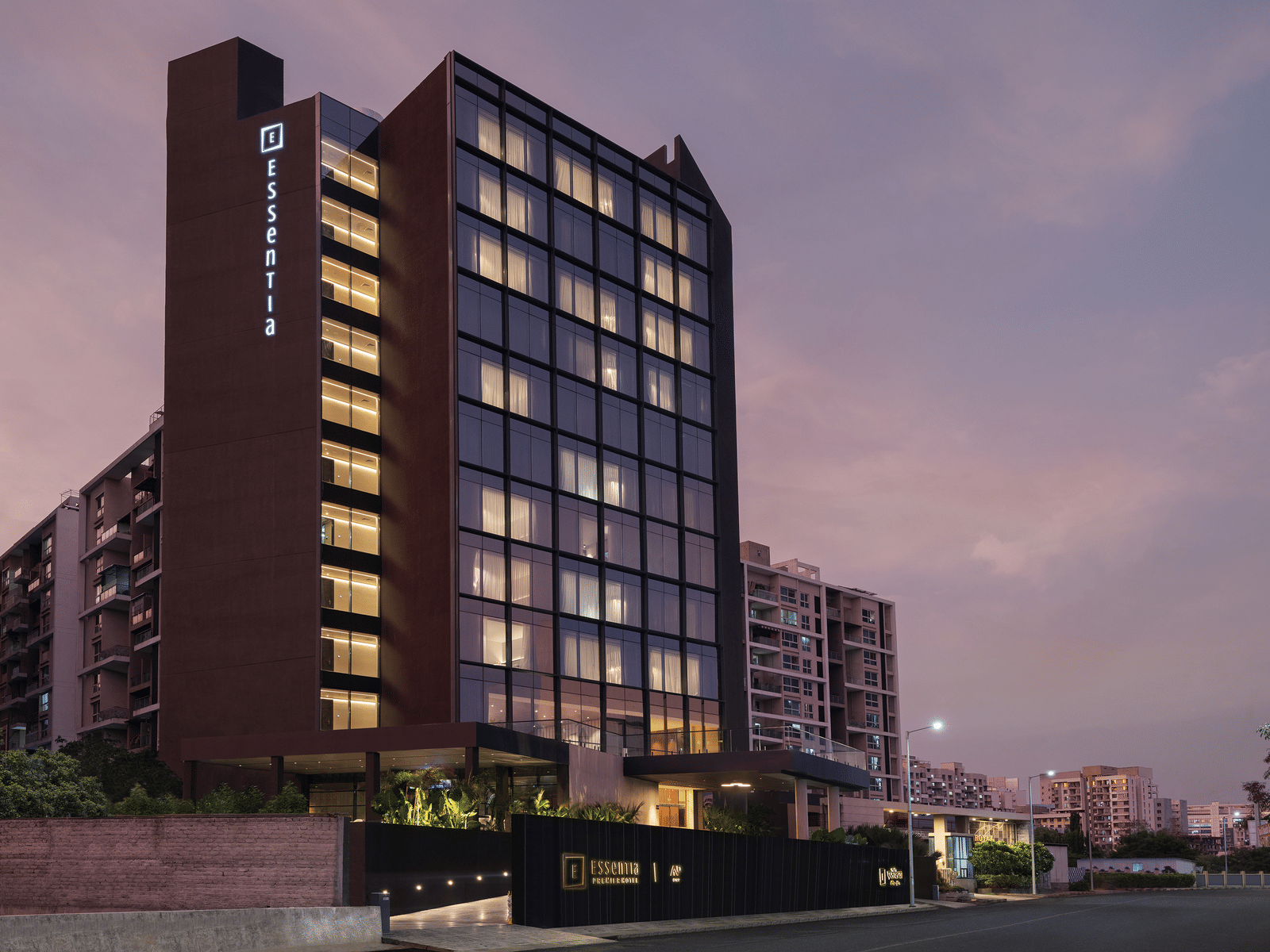
Facade of Essentia Premier Hotel in Pune, with lights on during twilight hour under a vibrant sky.
One of the Deluxe Twin Rooms in Pune featuring twin beds by the window and a seating area next to the wall at Essentia Premiere, Pune.

Our rooms include 24 Premier Rooms at 270 sq. ft. with city views, 26 Deluxe King Rooms at 255 sq. ft., and 11 Deluxe Twin Rooms at 275 sq. ft. for families or groups. Citron Bar serves global cuisine and handcrafted cocktails, while 24-hour room service caters to early starts and late returns. The hotel also offers dedicated event and banquet facilities, adding to the convenience of your stay. Book a stay at Essentia Premier Hotel to enjoy easy access to the festival while returning to a comfortable and well-connected base in Pune.

A Festival that Moves with its People

Ashadhi Ekadashi is not observed from a distance. It is walked, sung, fasted through, and felt. The Wari has carried the same devotion along the same roads for over 7 centuries, and each year it draws more people into its rhythm.

Experiencing Ashadhi Ekadashi offers a unique blend of spirituality, devotion, and cultural richness. For travellers looking to be part of this sacred celebration, staying in Pune provides both comfort and accessibility. Essentia Premier Hotel stands out as an ideal base, offering modern amenities, excellent hospitality, and a location well connected to the highway network for the onward journey to Pandharpur. After a day of spiritual exploration during Devshayani Ekadashi, guests can return to comfort and rest, making the journey both meaningful and rejuvenating.

Frequently Asked Questions (FAQs)

When is Ashadhi Ekadashi in 2026?
Ashadhi Ekadashi falls on the 11th day of the bright half of the Ashadha month. The exact date varies each year based on the Hindu lunar calendar. Check a Hindu panchang for the confirmed 2026 date.

What is the difference between Devshayani Ekadashi and Shayani Ekadashi?
There are different names for the same observance. Devshayani Ekadashi and Shayani Ekadashi both mark the day Lord Vishnu begins his 4-month cosmic sleep (Chaturmas). The name varies by region.

What is the Wari pilgrimage?
The Wari is a walking pilgrimage from Dehu and Alandi to the Vithoba temple in Pandharpur, covering approximately 205 km on foot over 20-21 days. It culminates on Ashadhi Ekadashi.

Is fasting mandatory on Ashadhi Ekadashi?
Fasting is a key observance, but not compulsory. Most devotees follow a strict fast (nirjala or fruit-based). Those unable to fast participate through temple visits, prayers, and devotional singing.

How do I reach Pandharpur from Pune?
Pandharpur is approximately 205 km from Pune by road, around 5-6 hours by car or bus. MSRTC buses run regular services, and trains connect Pune to Pandharpur station.

Is Ashadhi Ekadashi open to non-Hindu visitors?
Yes. The Wari processions and temple celebrations are open to all visitors. Respectful clothing and behaviour are expected, but there is no restriction on observing the festival.

What should I wear during the festival?
Light, modest cotton clothing in white or light colours is appropriate. Comfortable walking shoes are essential if joining any part of the procession or visiting temples.

Where is the best place to stay near the Ashadhi Ekadashi celebrations?
Essentia Premier Hotel in Wakad, Pune, offers a convenient base with easy access to Pandharpur by road, 3 room categories, Citron Bar for dining, and 24-hour room service for early departures.

Continue your booking